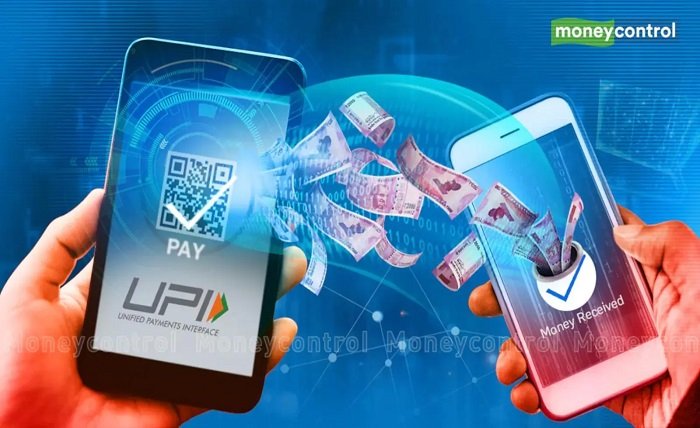
UPI changed daily life in rural India. It made money move like a text message.
A farmer can receive a payment in seconds. A PMAY-G beneficiary can track updates online and use digital channels for linked services. A shopkeeper can accept a QR code instead of keeping change.
This speed brings real gains. It cuts travel time. It reduces cash leakage. It improves access to government benefits and formal finance.
The same speed also removes friction from spending. When payment becomes one tap, impulse purchases rise. So does exposure to high-risk digital products, including online gaming and betting-style apps.
That is the core tradeoff. Digital rails carry both welfare and risk. The rails do not judge. They simply deliver.
This article explains how easy payments expand access in two directions at once. It focuses on rural users, real behaviors, and practical safeguards. It avoids hype. It sticks to what the systems do and why it matters.
UPI And The Architecture Of Instant Access
From Cash Queues To QR Codes
Before UPI, rural transactions relied on cash or bank visits.
A subsidy meant travel. A transfer meant waiting. A purchase meant counting notes.
UPI compressed that process into seconds.
A phone with data now acts as bank, wallet, and ledger. Funds arrive directly. Bills clear instantly. Balance checks require no paperwork.
This shift lowers friction. Lower friction increases participation.
Direct Benefit Transfers And Trust
Government schemes depend on reliable delivery.
With Direct Benefit Transfers (DBT) linked to Aadhaar and bank accounts, beneficiaries receive funds without intermediaries. UPI adds visibility. Users can see deposits, track usage, and verify amounts in real time.
This transparency builds trust. It reduces leakage. It supports inclusion.
But the same digital convenience also supports other industries.
The Same Rails, Different Outcomes
UPI does not distinguish between essential payments and discretionary spending.
The same QR scan that pays for fertilizer can fund entertainment apps. The same one-tap transfer used for tuition fees can move money into gaming wallets.
As smartphones spread, platforms offering fantasy sports, card games, and live casino india experiences integrate seamless UPI payments. The process feels identical to paying a utility bill. Tap. Confirm. Done.
The difference lies not in the rail, but in the destination.
Instant infrastructure expands access in both directions. It widens opportunity. It also widens exposure.
Understanding that dual use is critical for policymakers and users alike.
Rural Digital Adoption And Behavioral Shifts
Smartphone Penetration And Habit Formation
Smartphones now reach deep into rural India.
Low-cost data plans and affordable devices changed behavior. Messaging apps became default communication. Video platforms became daily habit.
UPI followed naturally. When the device already lives in the hand, payment becomes an extension of use.
Repeated small transactions build comfort. Comfort builds confidence. Confidence reduces caution.
The Psychology Of Frictionless Spending
Cash slows decisions. You count notes. You feel the loss physically.
Digital payment removes that tactile pause. A tap feels lighter than handing over bills.
When the cost feels invisible, spending feels smaller.
This does not mean users lack discipline. It means the design reduces resistance.
High-frequency, low-value payments create new patterns. Subscriptions, micro-transactions, and entry fees fit neatly into this model.
Exposure Through Marketing And Social Circles
Digital platforms advertise inside the same apps people use daily.
Promotions appear in regional languages. Referral bonuses spread through WhatsApp groups. Friends share screenshots of wins.
The ecosystem becomes interconnected.
When payment and promotion live on the same device, conversion requires little effort. Awareness turns into action quickly.
Access expands. So does exposure.
Risk Amplification In A Cashless Environment
Speed And Loss Accumulation
Speed multiplies outcomes.
In cash systems, running out of notes creates a natural stop. In digital systems, balance checks are instant and reloads are seamless.
A user can transfer funds repeatedly within minutes. Small losses stack quickly when friction stays low.
The system does not force pause. The user must create it.
Credit, Overdraft, And Informal Borrowing
Digital ecosystems link easily to credit.
Short-term loans, buy-now-pay-later tools, and micro-credit products often sit inside the same apps as payment services.
When entertainment spending overlaps with easy credit, financial stress can rise. The boundary between disposable income and borrowed funds becomes thin.
The risk grows not from one transaction, but from repeated cycles.
Social Visibility And Perceived Normalization
Digital payments leave digital trails. Screenshots circulate. Wins look frequent because they are shared. Losses remain private.
This visibility can distort perception. It can create the belief that success is common and risk is small.
In reality, probability remains unchanged. The interface simply makes participation easier.
The cashless system amplifies both opportunity and vulnerability. It rewards awareness. It penalizes impulse.
Safeguards, Literacy, And Policy Balance
Digital Literacy As First Defense
Infrastructure alone cannot protect users. Literacy must match access.
Rural users benefit from simple, practical guidance:
- Check transaction history weekly.
- Set daily payment limits.
- Separate savings from spending accounts.
- Avoid linking credit to entertainment apps.
These steps create friction where the system removes it.
Platform Responsibility And Design
App design shapes behavior.
Clear spending summaries, cooling-off periods, and visible balance warnings reduce risk. Transparent fee disclosure builds trust.
Regulators can encourage such features without restricting innovation. The aim is not to slow digital growth. It is to align design with user protection.
Policy Without Panic
UPI and Digital India have delivered measurable gains. Faster welfare transfers. Lower transaction costs. Greater inclusion.
The challenge lies in balance.
Overregulation can push activity into informal channels. Underregulation can widen harm.
Policy must recognize dual use. The same rails deliver fertilizer subsidies and gaming deposits. The rail is neutral. Outcomes depend on context.
Infrastructure Is Neutral, Outcomes Are Not
Digital India expanded access. UPI removed distance between intent and transaction.
For rural households, this means faster benefits and stronger financial inclusion. It also means faster exposure to high-variance digital spending.
Technology does not create risk alone. It accelerates decisions.
The solution is not to slow progress. It is to strengthen awareness, improve design, and maintain policy clarity.
When access grows, responsibility must grow with it.
The future of rural finance will depend not just on speed, but on control.